Appointment form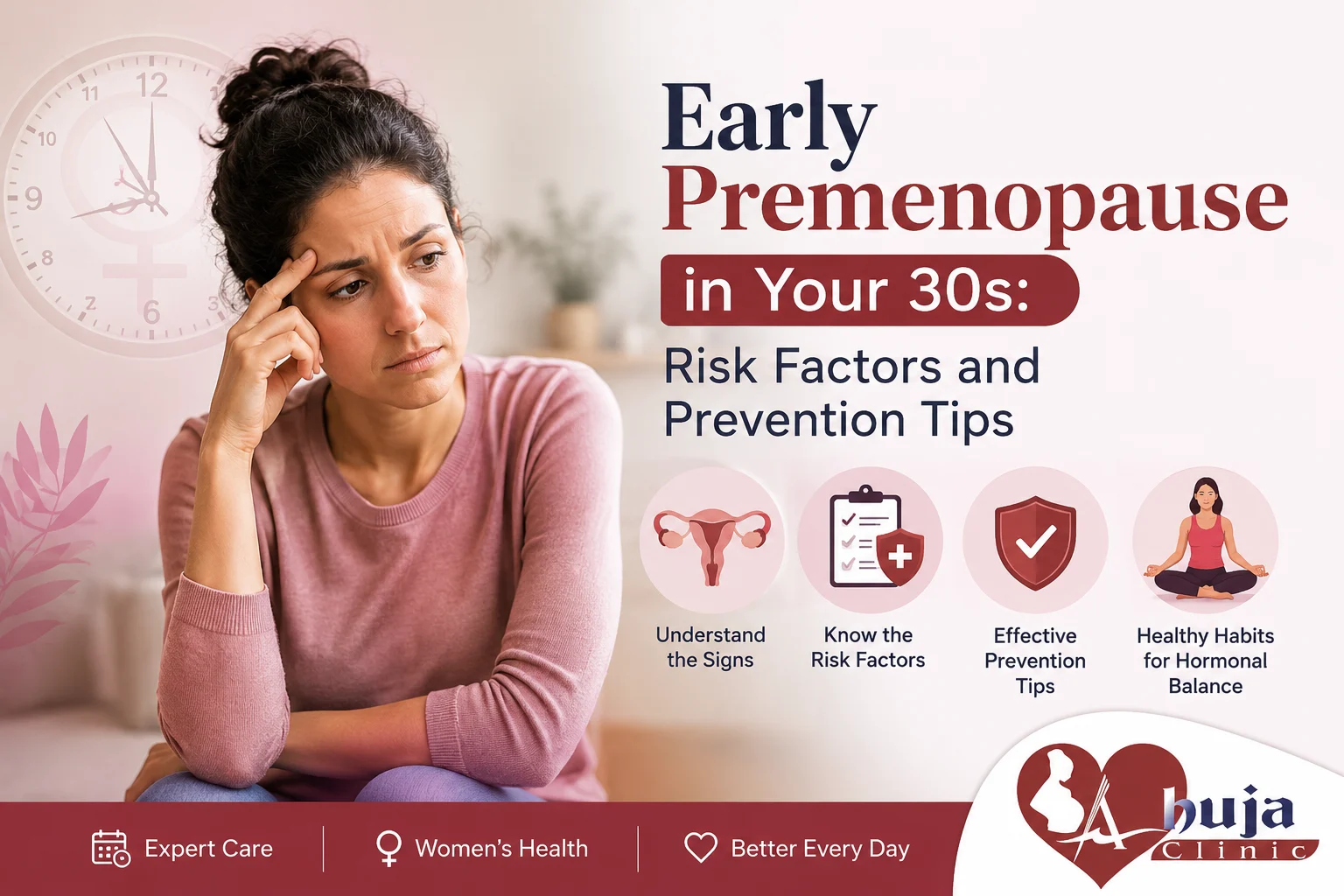
Irregular periods, mood swings, or unexplained fatigue in your early 30s? These symptoms might be linked to stress or lifestyle changes, or sometimes be related to early menopause. Although most women notice their menopause symptoms in their 40s, in some cases, the hormonal changes may start earlier due to genetic, medical, or lifestyle factors. Lets dicuss in detail about early premenopause in your 30s, its risk factors and prevention tips.
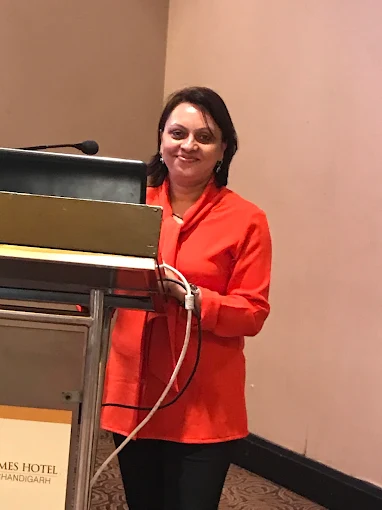
Understanding the warning signs earlier can help in the early detection of the condition and its cause. In this blog, we will cover what early menopause is, its risk factors, prevention tips, and when the correct time is to see a reliable and trusted Dr. like Ruchi Rai Ahuja, who runs her own clinic in Chandigarh.
Premenopause refers to the stage before menopause when the ovaries start producing less estrogen and progesterone. During this stage, the hormone levels in the body fluctuate, which interferes with the menstrual cycle and other physical and emotional symptoms.
Commonly, for most women, this stage starts in their 40s. But there is also a possibility that some may experience these signs in their 30s. This can be due to factors such as genetics, certain medical conditions, or lifestyle influences. Experiencing any of these symptoms does not necessarily mean menopause is around the corner, but it might be a warning sign. So if any of these symptoms persist, one must consider seeing a healthcare professional.
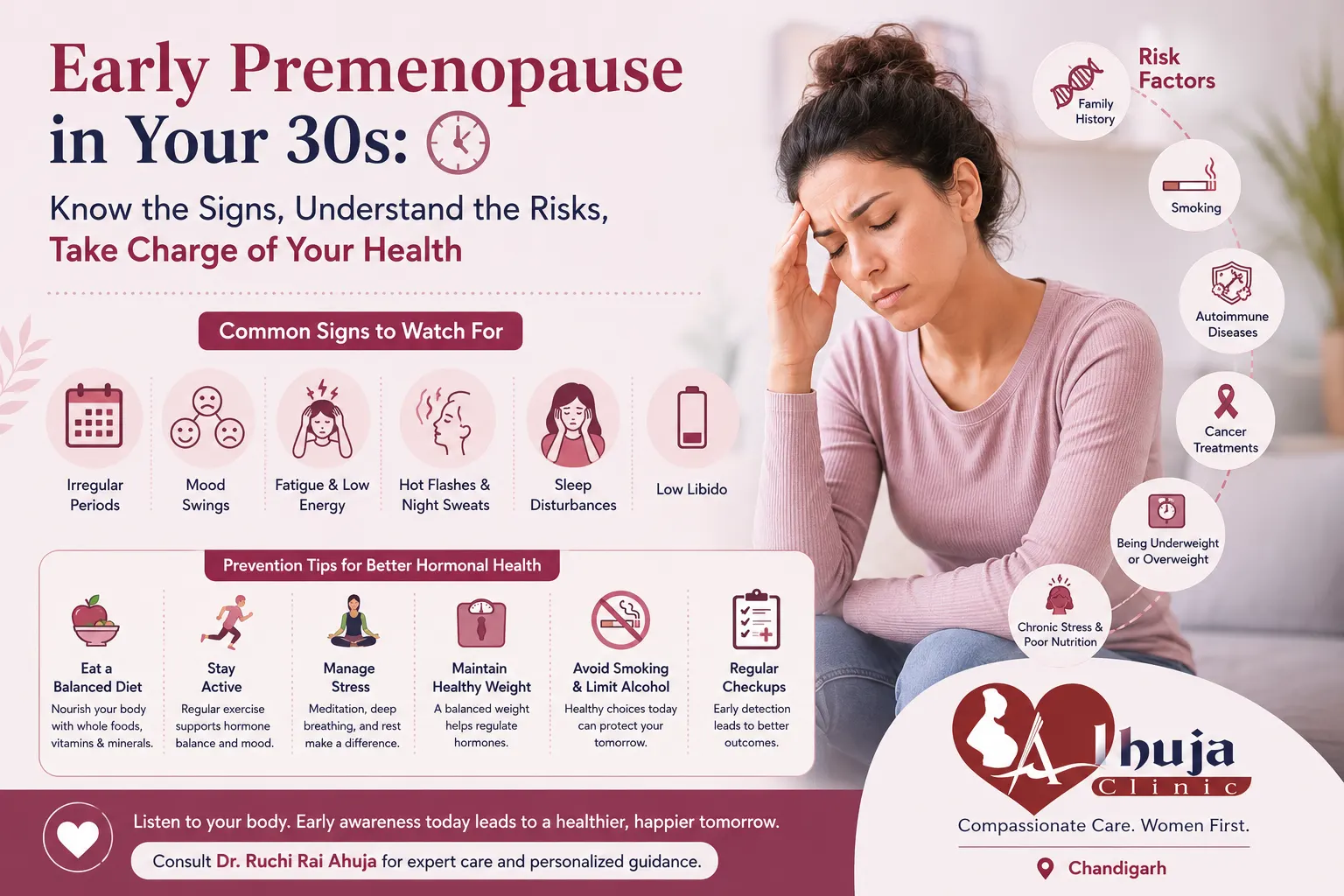
Here is a list of some common risk factors for early menopause that one must consider. Not all risk factors aer within your control, but one must be aware of them so that you can take proactive steps toward better reproductive health.
Family history: Genetics plays a significant role in determining when menopausal changes begin.
Smoking: Smoking cigarettes is one of the most preventable risk factors that affects the functioning of the ovaries.
Autoimmune diseases: Conditions like rheumatoid arthritis or thyroid disorders may interfere with normal ovarian function.
Cancer treatments: Cancer-related treatments such as chemotherapy and radiation therapy can damage the ovaries, which may sometimes lead to early hormonal changes.
Ovarian surgery: Surgical removal of ovarian tissue or repeated ovarian procedures may affect hormone production in the body.
Chronic stress: Long-term stress can disrupt the hormonal balance and may even worsen symptoms related to hormonal fluctuations.
Poor nutrition: Poor diets lacking essential nutrients such as calcium, vitamin D, iron, and healthy fats may impact overall hormonal health in a woman.
Being underweight or overweight: Maintaining a healthy body weight supports proper hormone regulation and promotes female reproductive health.
A change in hormones is not an emergency; it can happen to anyone. But the important thing to consider is visiting the gynecologist when you feel any change in yoour mood or reproductive health. Some people who do not take these symptoms seriously can often avoid visiting the doctor for proper consideration.
After knowing how important it is to visit the gynecologist for your health, what are the possible signs one should not ignore? For example, if you’re 40 and experiencing symptoms that affect your daily life, you should not avoid visiting the doctor. The symptoms include missed periods, severe hot flashes, unusually heavy or irregular bleeding, and difficulty conceiving.
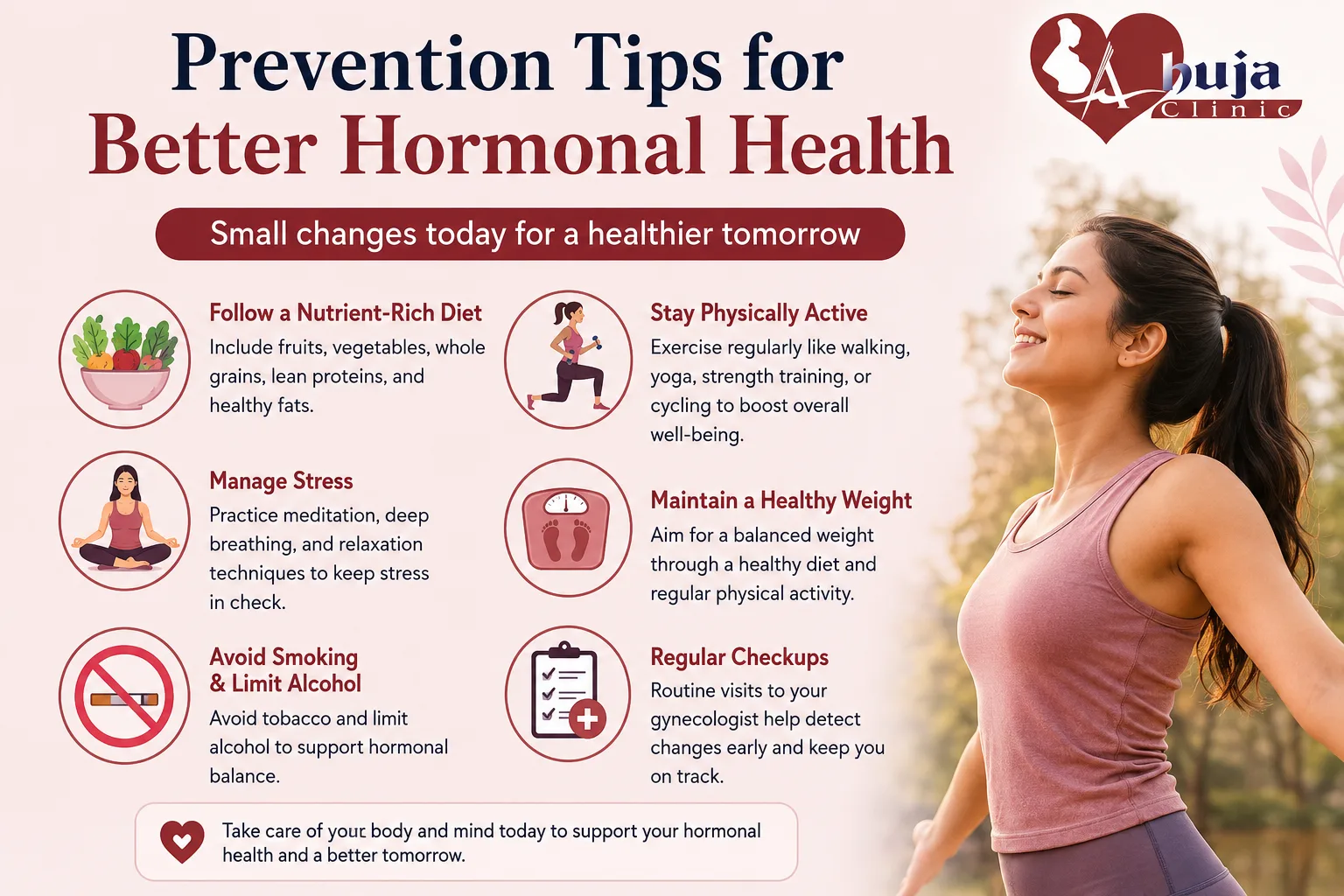
Premenopause cannot be prevented all the time, but there are some preventive measures one can take to maintain hormonal balance in the body and reduce the severity of symptoms.
Following a Nutrient-Rich Diet
One should include plenty of fresh fruits, vegetables, whole grains, lean proteins, nuts, seeds, and healthy fats in one’s meals.
Stay Physically Active
Doing physical activities like walking, cycling, swimming, strength training, and yoga can help regulate hormones, improve mood, and support heart and bone health.
Manage Stress
Stress can significantly affect the hormonal balance in the body. Simple activities like meditation and breathing exercises can help lower stress levels and improve emotional well-being.
Maintain a Healthy Weight
Being underweight and having an excess body weight can both affect the hormone production in the body. One must follow a balanced diet along with physical activity to support healthy hormone function.
Avoid Smoking and Limit Alcohol
Smoking is one of the significant lifestyle factors that is linked to earlier menopause. One must limit alcohol intake and avoid the consumption of tobacco.
Regular Checkups
Visiting a gynecologist often can help detect the hormonal changes earlier. If you’re experiencing any symptoms, your doctor may recommend you some blood test or other treatment option as per your condition.
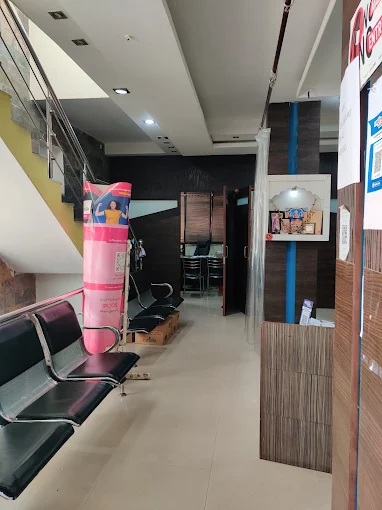
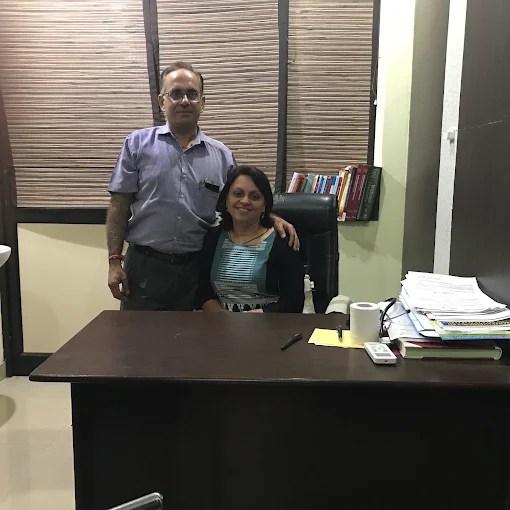
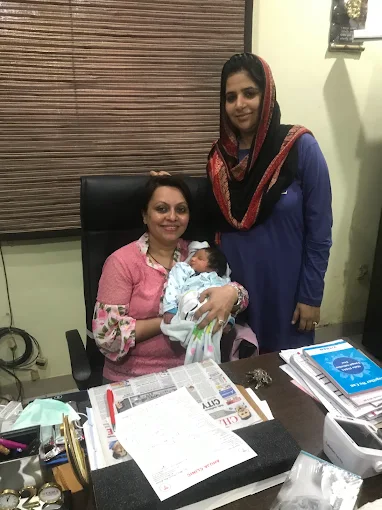
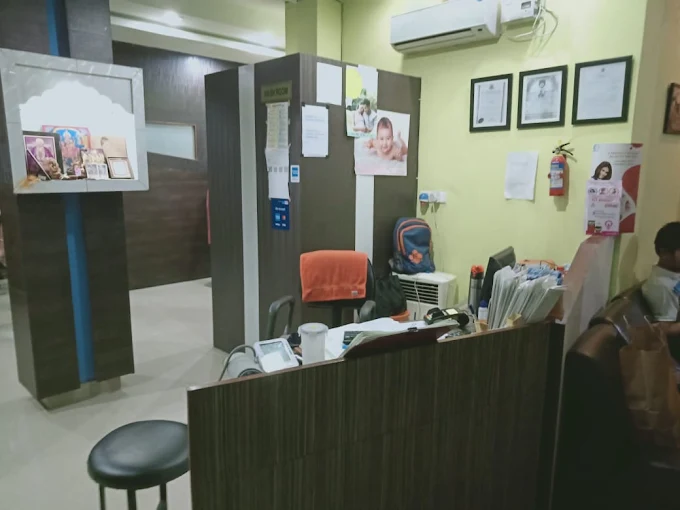
At Dr. Ahuja Clinic, you will meet Dr. Ruchi Rai Ahuja, who is an experienced gynecologist. This clinic is a state-of-the-art clinic with a comfortable, cosy environment, and the doctors here are friendly and caring. Dr. Ruchi Rai Ahuja is an experienced Obstetrician and Gynaecologist who holds a speciality in Infertility and Breast Diseases.
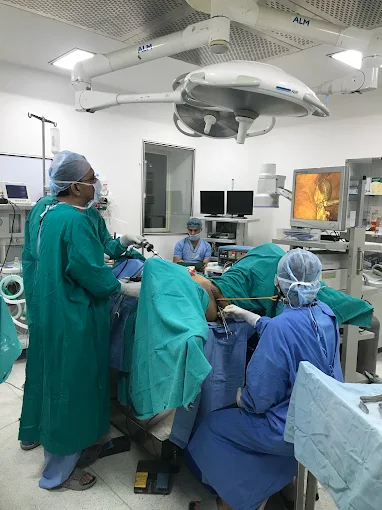
She has over two decades of experience in the healthcare sector and received the Dr C Mani Gold Medal during an internship for working on rural health. The labs here are well-equipped with modern facilities and have a proper hygienic environment. You may visit this clinic whenever you experience any symptoms of early menopause or need any medical assistance
Answer: This might be a very uncommon condition, but some women may experience it early. This can be due to genetics, certain medical conditions, or treatments that affect ovarian function.
Answer: This generally depends on the cause of this condition. Symptoms related to temporary hormonal change may improve, but conditions such as premature ovarian insufficiency require medical evaluation and management.
Answer: Some symptoms of early menopause may include irregular menstrual cycles, mood changes, sleep disturbances, hot flashes, and changes in libido.
Answer: Practicing healthy habits such as avoiding smoking, maintaining a balanced diet, staying physically active, and managing stress supports overall hormonal health. But they cannot prevent menopause caused by genetic or certain medical factors.



Copyright © 2026 Dr Ahuja Clinic. All Rights Reserved | Marketing by : WebHopers
Website Design by CSW Technologies

 +91 6284862829
  Skin Geniee