Appointment form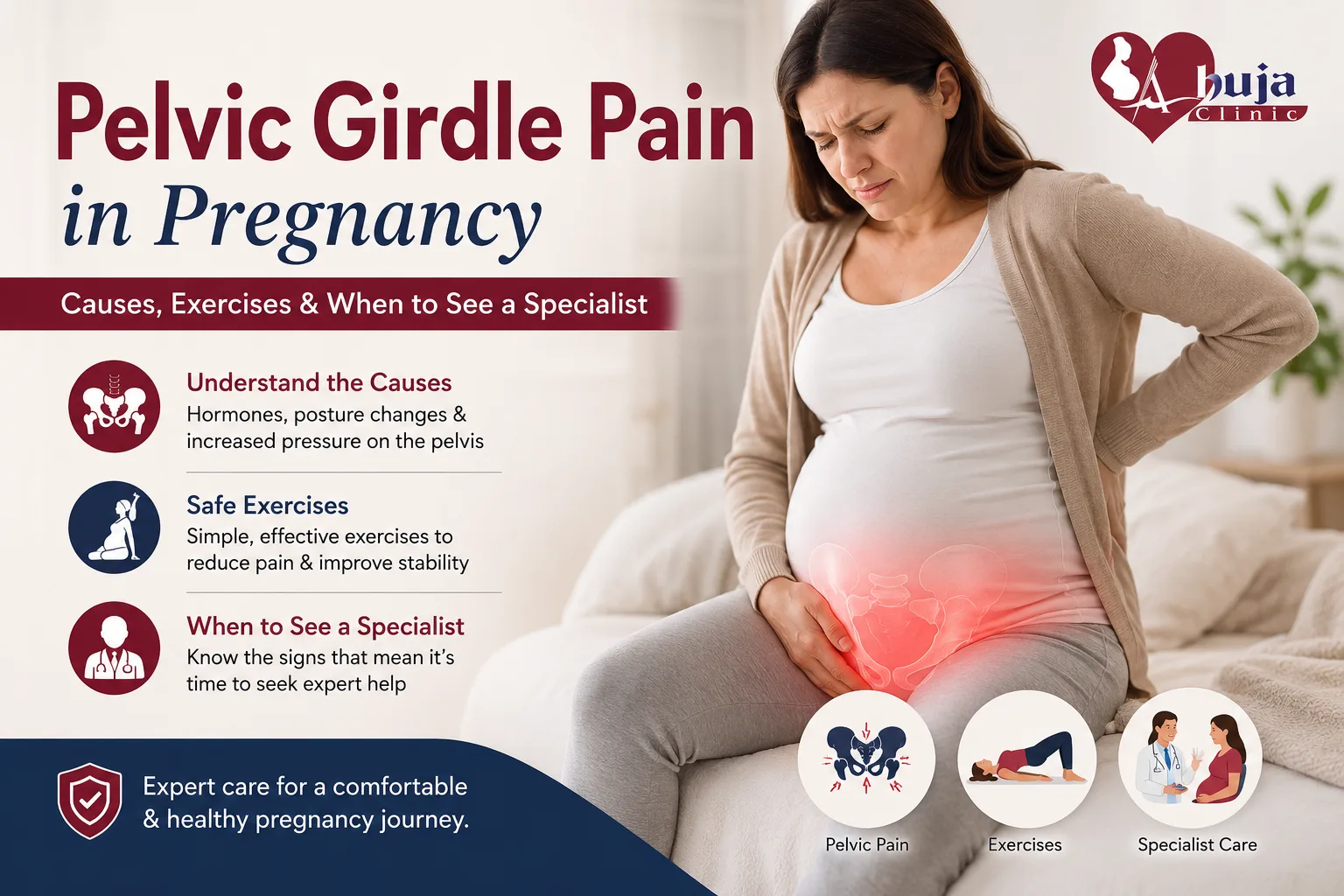
If you have started feeling a deep ache around your hips or pubic bone, especially when you’re getting out of bed, climbing stairs, or turning over at night. You are not imagining it, and you are far from alone. Around 1 in 5 pregnant women experience some form of pelvic girdle pain (PGP), making it one of the most common pregnancy complaints, though it’s also one of the least talked about. The good news: PGP is very manageable once it’s properly understood, and for most women, it improves significantly after delivery. This guide is about pelvic girdle pain in pregnancy, causes, exercises & when you should see a doctor.
Pelvic Girdle Pain is one of the most common conditions that many women experience during pregnancy. Pregnancy is a life-changing experience that carries many physical and emotional changes. As the baby grows, extra pressure is placed on your pelvis, which can lead to discomfort and pain.
Pelvic Girdle pain in pregnancy commonly impacts walking, discomfort while climbing stairs and standing for long hours, and sudden pain when changing positions, and sharp or shooting pain in the front or back pelvic. This should not be ignored, especially when pain is unbearable and affects daily life activities.
Pelvic Girdle Pain turns into pain or discomfort that affects the front or back of the pelvis. During pregnancy, hormonal changes and increased pressure on the joints can affect the pelvis functions. Some women experience mild pain, while others may struggle with more severe symptoms. This pain may be felt in the front of the pelvis, lower back, hips, groin, and thighs.
PGP can happen at any stage of pregnancy, but it again and again becomes more noticeable as the pregnancy progresses and the baby’s weight increases.
Researchers do not have one single answer for why some women develop PGP, and others don’t, but several contributing factors are well established:
Hormonal Changes: Relaxin and other pregnancy hormones loosen the ligaments that normally keep your pelvic joints stable. It can make them move more than usual.
Increased Load on the Pelvis: As your baby and uterus grow and your center of gravity shifts. Additionally, your pelvic joints carry more weight.
Postural Changes: Many women naturally arch their lower back or shift their weight as pregnancy progresses. It can change how force travels through the pelvis.
Muscle Changes: Your core and pelvic floor muscles lengthen and work differently to accommodate your growing belly, which can reduce the support they normally provide to the joints.
Risk Factors: PGP can increase due to a history of lower back or pelvic pain and a physically demanding job.
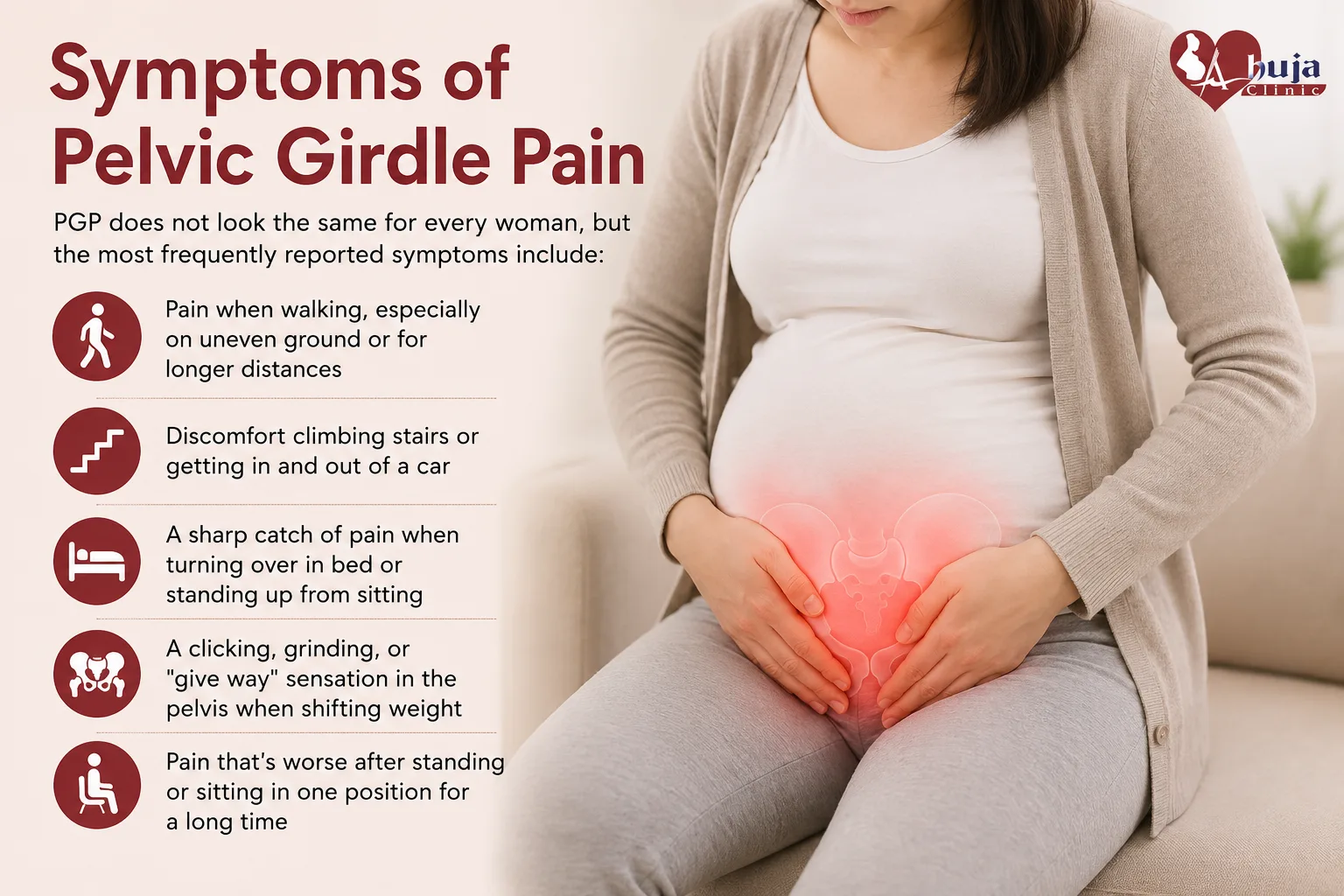
PGP does not look the same for every woman, but the most frequently reported symptoms include:
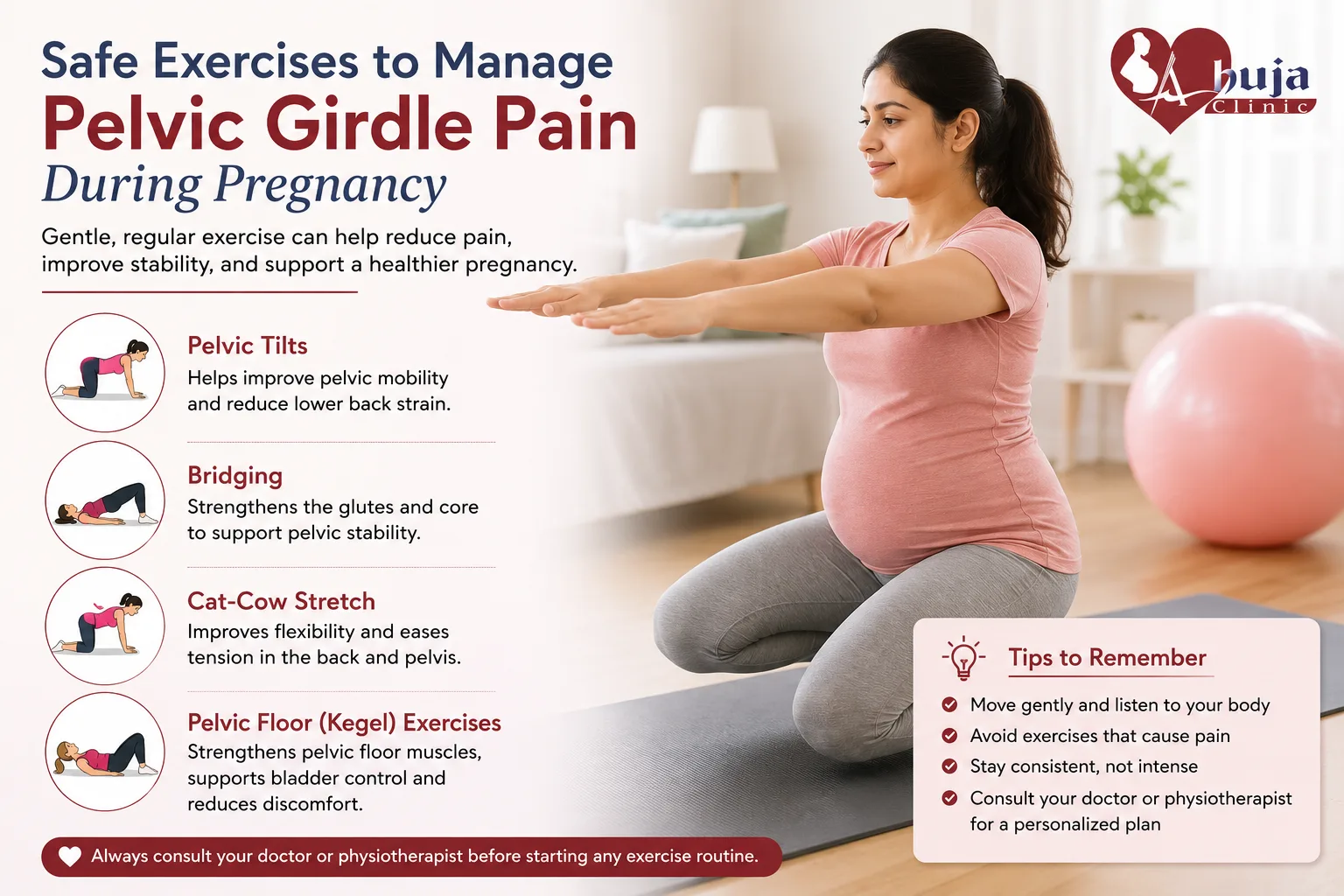
While getting out of bed and out of the car, keep your legs together and slide your legs slowly. Always sit while changing your clothes, instead of standing on one leg. Avoid lifting any heavy weights. Kegel, or pelvic floor exercises, cat-cow pose will help keep your pelvic floor muscles strong. Kegel exercises give you better bladder control and prevent your pelvic muscles from getting weak. Perform Kegel exercises by lifting and holding your pelvic floor muscle.
Start by doing a few Kegel exercises, and step by step, increase the time. You should do 2 or 3 sets of this exercise. Wear a supportive belt, improve your walking style, and take short steps. Apply a heating pad or a hot water bottle and take pain medicines.
If you are having a problem while doing exercise and following all remedies, then you should consult with a PGP specialist.
When you feel a struggle in your daily routine, discomfort from sitting and walking, and sudden pain in front of the pelvis and lower back, bleeding and fluid leakage from the vagina, fever, and unexpected weight loss. Home remedies and exercise did not work. You should consult with a PGP specialist.
Early assessment can help identify the cause of pain and prevent further complications. Treatments include physical therapy, posture correction, guided exercise, or other pregnancy-safe plans.
At Dr Ahuja Clinic, mothers can receive expert consultation and guidance from Dr Ruchi Ahuja, a pelvic girdle pain specialist, to manage pain effectively during pregnancy.
Physiotherapy: This is the first-line treatment recommended by most clinical guidelines. A physiotherapist can guide you through targeted exercises for your hips, core, and pelvic floor and correct movement patterns that can aggravate the joints.
Manual Therapy: Hands-on techniques that help to improve joint mobility and ease muscle tension are commonly used alongside exercise. It works best combined with an exercise program.
Support Belts: A pelvic support belt, worn snugly around the hips, can reduce pain for some women by limit the excess joint movement. Evidence on how much benefit they provide varies, so they are best used as one part of a broader plan rather than a stand-alone fix.
Targeted Exercise: Gentle strength of the deep core, glute, and pelvic floor muscles can improve pelvic stability over time. This should be guided by a professional, since the wrong exercises or the right exercises done with poor form can sometimes aggravate symptoms.
Pain Relief: Heat application, rest, and pacing your activity through the day all help in the short term. Any decision to use pain medication during pregnancy should be made with your doctor, since not all options are considered safe at every stage of pregnancy.
Home adjustments help many women manage mild to moderate PGP. It’s time to see a specialist if you notice any of the following:
Consulting an experienced specialist can help identify the essential reasons for pain and create a customized treatment plan based on individual needs. If you are searching for a PGP specialist in Chandigarh, timely medical guidance can help improve movement.
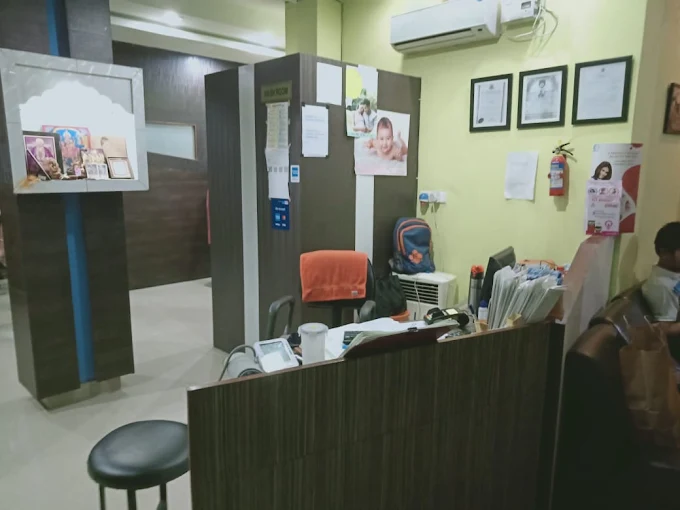
Dr Ahuja Clinic, Sector 18, Chandigarh, offers expert consultations and support for authorized pregnancy preparations. Get all of your pregnancy-related concerns addressed and treated by an experienced obstetrician with 15 plus years of experience. It is run by an experienced obstetrician and gynecologist, Dr. Ruchi Ahuja, who makes individual treatment plans for pregnancy counselling, monitoring maternal health, and guidance to relieve discomfort throughout the stages of pregnancy. The idea is to keep those who are expecting comfortable, moving, and feeling confident throughout their pregnancy journey.
If the symptoms are mild or severe, early symptoms can help prevent the condition from worsening and improve overall quality of life. Women experiencing continuous pelvic pain can benefit from professional guidance and review of a management plan to support a healthier and more comfortable life.
Pelvis Girdle Pain is very common in pregnant women these days, due to a changing lifestyle. This pain creates discomfort in daily life. But it is treatable with regular exercise, stretching your muscles helps you stay active physically, and eating more fiber helps support your digestion. The right treatment and guidance from the PGP specialist, who will create the right treatment plan for you, will help you make good memories and have a healthier pregnancy.







Copyright © 2026 Dr Ahuja Clinic. All Rights Reserved | Marketing by : WebHopers
Website Design by CSW Technologies

 +91 6284862829
  Skin Geniee