Appointment form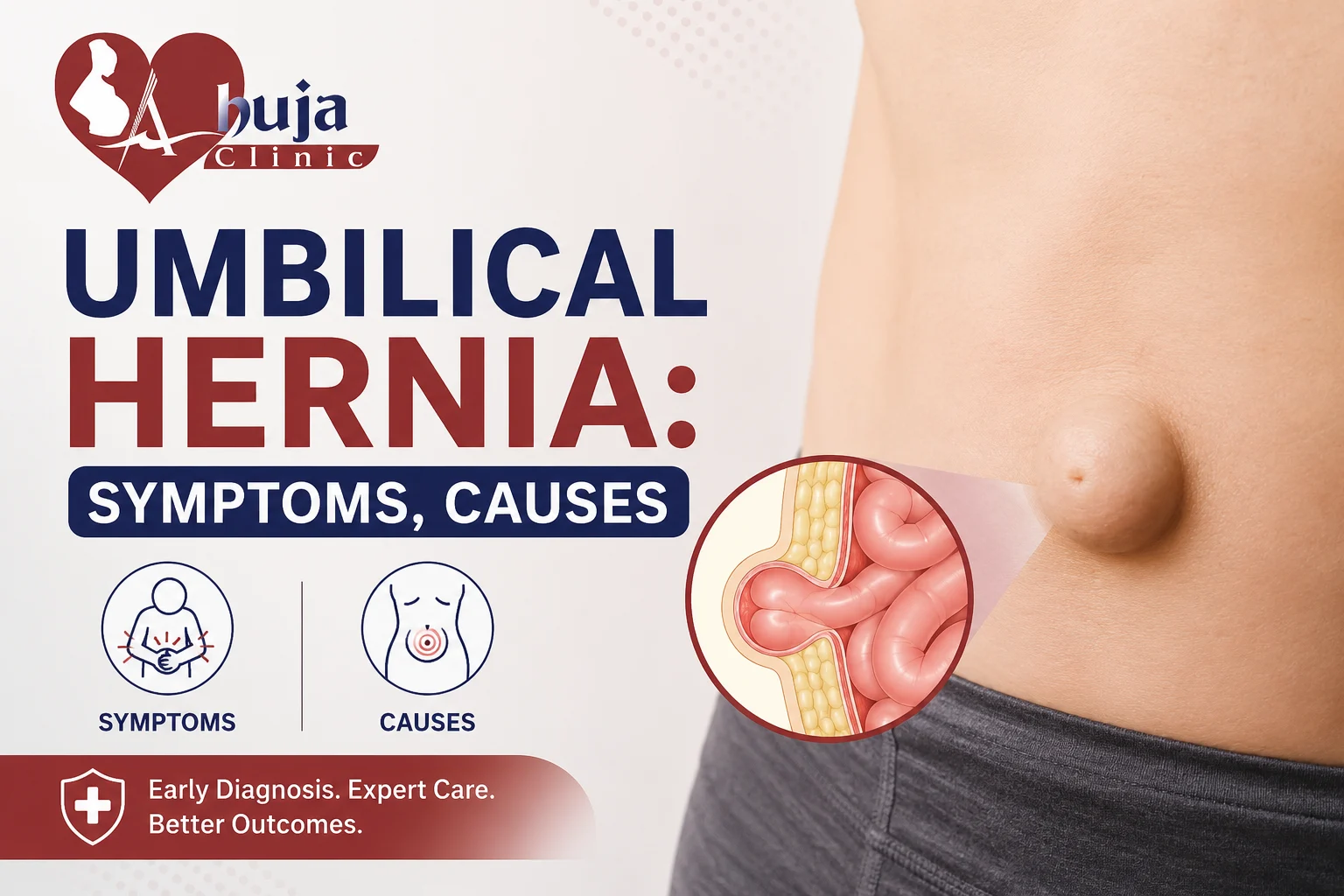
Have you ever noticed a soft bulge or swelling near your belly button that gets bigger when you cough, cry, or strain? If yes, it can be an umbilical hernia. The name sounds scary, but an umbilical hernia is a common condition we see in both newborns and adults. In this blog, we provide you with some important insight about umbilical hernia, symptoms, and causes.
At Dr. Ahuja Clinic in Chandigarh, we treat umbilical hernia and understand how it can feel when you notice that bulge for the first time. We are also going to explain everything you need to know, from what an umbilical hernia is, its symptoms, and its causes.
Your belly button is basically the spot where the umbilical cord join you with your mother before birth. After birth, that small opening in your abdominal muscle where the cord went through will close on its own, kind of like it just decides to heal up.
An umbilical hernia happens when the opening doesn’t fully seal. It can remain there for life. Then a part of the intestine, or even fatty tissue, can push through that weaker point in the abdominal wall. That’s what makes the soft bulge you might see, and sometimes feel, right near the navel.
The umbilical hernia is the most common in infants, but it can also develop in adults. It is seen especially in people who put extra strain on their abdominal muscles.
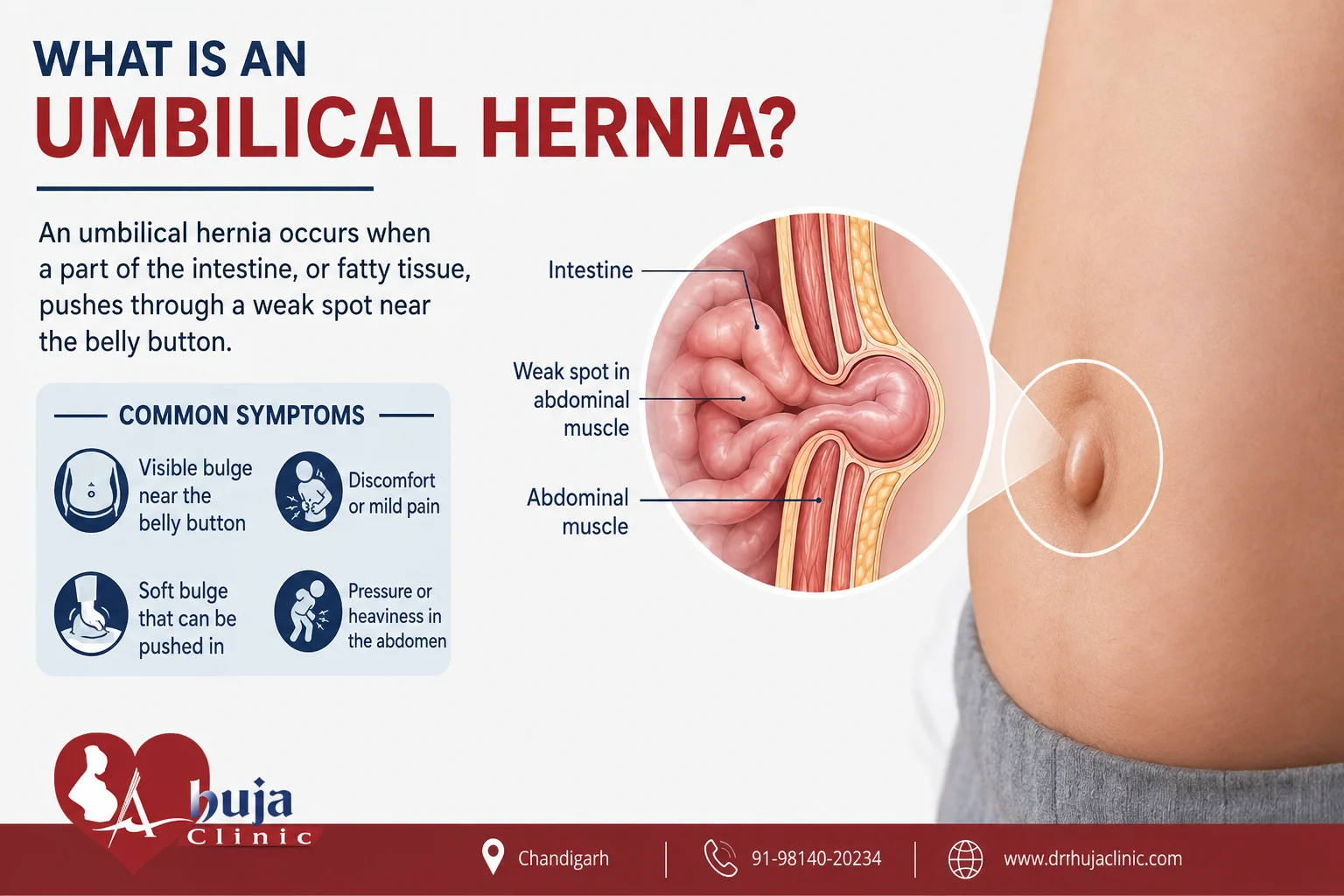
In babies, the umbilical hernia is usually painless. In adults, the symptoms can vary a lot. Some people have only slight trouble, others get pretty intense pain. Here are the most common signs of an umbilical hernia in adults you should keep an eye out for:
Visible Bulge: A visible bulge near the belly button, which is the first sign. The lump may show up, or become more noticeable when you cough, sneeze, strain, or lift something heavy.
Discomfort or Mild Pain: You will feel mild pain around the navel when you are bending over or lifting something.
A Soft, Squishy Feeling: When you press on the bulge it can often be gently pushed back in.
Increasing pressure: You can feel pressure in the abdomen.
In infants and young children, the bulge can only appear when they cry and cough. It can completely disappear when they are calm.
Both men and women can develop an umbilical hernia. There are some differences between women and men.
Umbilical hernia symptoms in males are similar to those of general adults. The symptoms are a bulge near the navel with possible discomfort. Men who do heavy physical labour or lifting are at high risk.
Umbilical hernia symptoms in females are more common due to the physical stresses of pregnancy. Multiple pregnancies can increase the chances of developing this condition. The symptoms are the same, such as bulging near the navel, discomfort, and pressure. But women can first notice it after or during pregnancy.
Most of the time, umbilical hernias are not an emergency. However, some warning signs should remind you to seek emergency medical care right now. Here are some symptoms:
Understanding the causes of umbilical hernia can help you understand why this happens and what are the factors you need to manage.
Causes in Infants
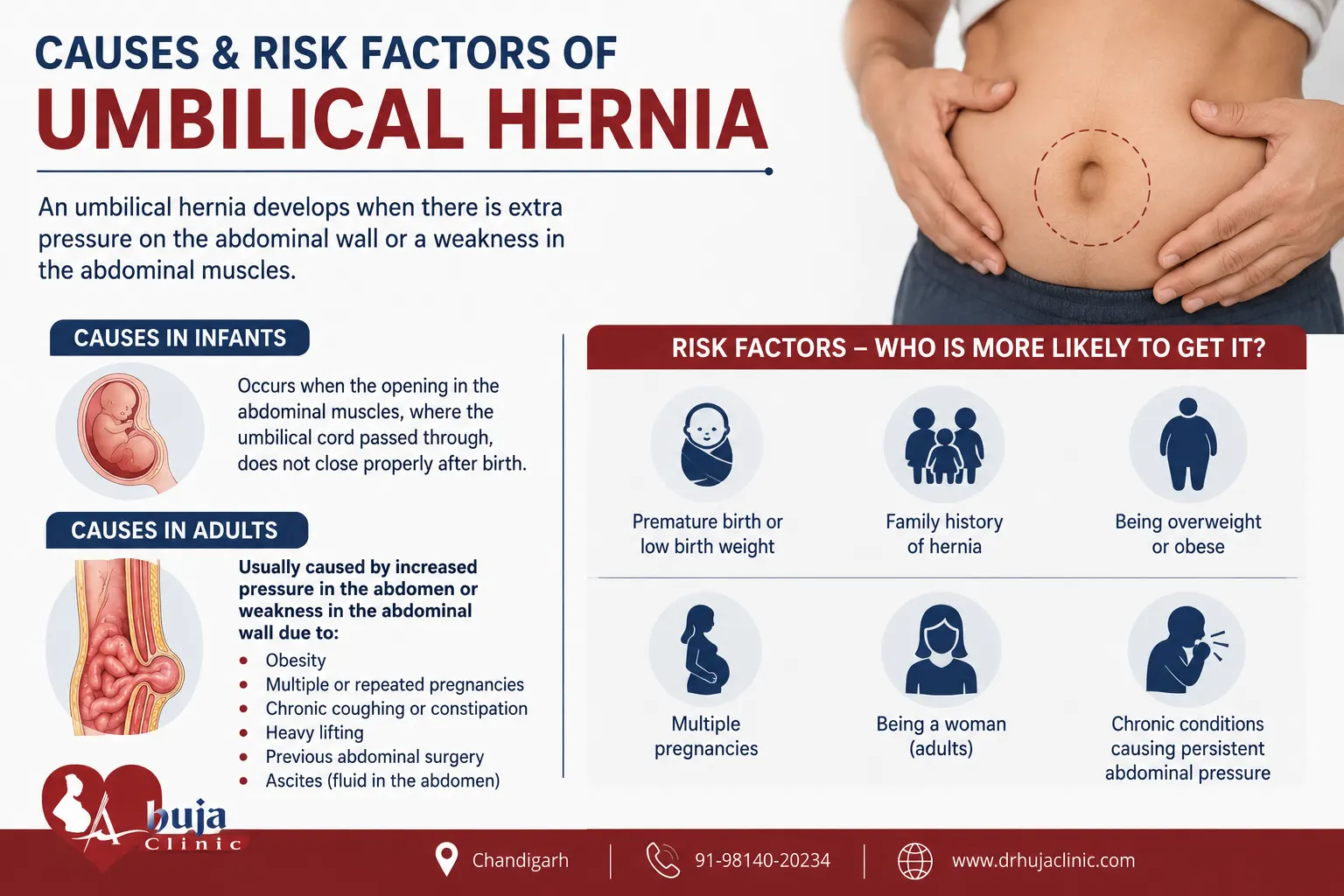
In babies, it occurs during pregnancy, and the umbilical cord passes through a natural opening in the abdominal muscle. After birth, this gap normally closes within a few weeks to months. If it does not close properly, the intestine can protrude through the opening. It is especially when the baby cries, strains, or coughs.
Premature babies with low birth weight are at higher risk of having an umbilical hernia because their muscles have had less time to mature.
In adults, an umbilical hernia usually shows up due to long-term pressure inside the abdominal cavity. Over time, that pressure pushes through a weak spot. You often see it linked with things like:
Obesity: Extra body mass keeps up a steady load on the abdominal wall
Multiple or Repeated Pregnancies: Each pregnancy stretches the abdominal muscles in a major way
Ascites or Fluids in the Abdomen: This can be seen with liver disease, or other related problems.
Previous Abdominal Surgery: A surgical cut can make the abdominal wall less sturdy
Chronic coughing: COPD and similar issues create ongoing repetitive strain.
Heavy Lifting: especially when lifting is done poorly without the right technique, you can increase the chance of having hernia.
Some people are more likely to develop an umbilical hernia than others. Key risk factors include:
Many umbilical hernias in babies and young children resolve on their own within the first one to two years of life. Doctors typically wait until the child is around 4-5 years old. If the hernia has not closed or if it is very large. The doctor will recommend surgery in these conditions. Home remedies like binding or taping coins over the belly button are popular in small cities. These formulas do not help, and they can cause skin irritation. Please avoid these remedies.
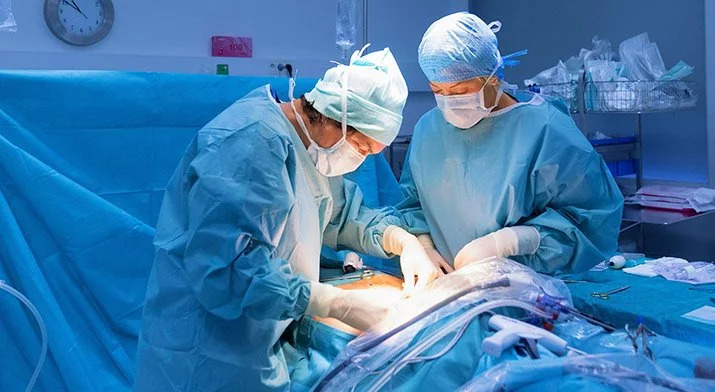
In adults, umbilical hernias do not close on their own. The only definitive treatment for an umbilical hernia is surgery. In Umbilical hernia surgery, a small incision is made close to the belly button, and then the bulging tissue is gently pushed back into the abdomen. After that, the weak muscle wall is repaired with stitches. Finally, the incision is closed, and the patient will start to recover within some time.
Most of the time, the procedure is done as a day-care appointment under local anaesthesia or general anaesthesia, depending on what fits the patient best. Yyou can often get back to normal and light movement within about a week.
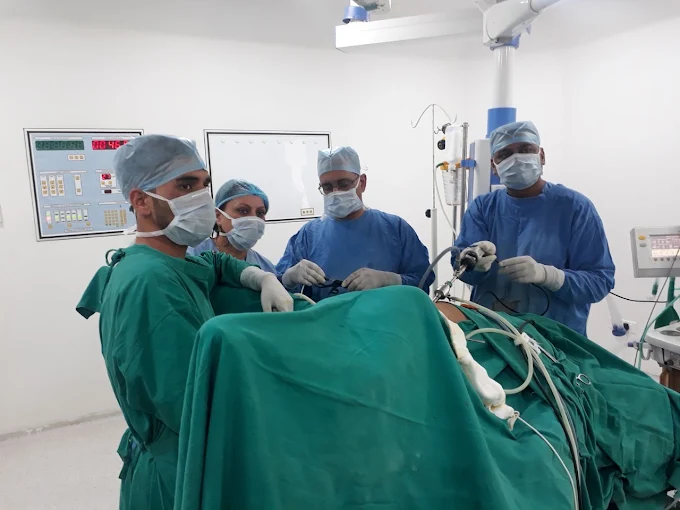
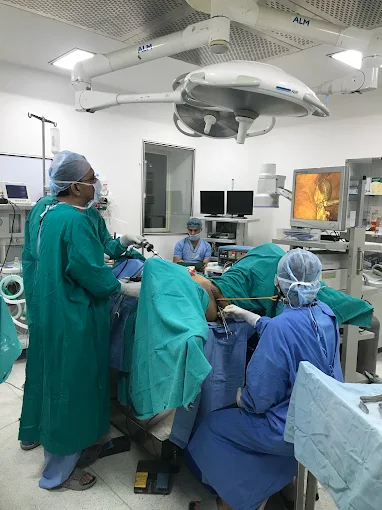
There is also laparoscopic umbilical hernia surgery. This is a minimally invasive method which leave smal scars and comes with less post-operative pain. Additionally. It suppots the quick recovery. This kind of surgery helps you to recover fast.
If you are a loved one who’s been diagnosed with an umbilical hernia. Choosing the right surgeon and clinic makes all the difference. Here is why patients across Chandigarh and the Tricity region trust Dr. Ahuja Clinic:
Experienced Surgical Team: Dr. Ahuja Clinic’s team have a years of experince in surgical work in hernia surgery. We excel in both open approaches and laparoscopic methods.
Advanced Laparoscopic Surgery: We do minimally invasive umbilical hernia surgery with small incisions and less pain. It will help you get back to your normal life faster.
Patient First Approach: We take time to listen and explain your condition. We will guide you through each step of the treatment plan, so it feels clear and not intimidating.
Day Care Procedures: Most of the umbilical hernia surgeries in our clinic are done as day procedures. That means you can go home the same day, without worrying about the hospital stay.
Affordable and Transparent Price: We provide good surgical care within your reach. Our team will lay out all costs clearly upfront, no awkward surprises later.
If you recently noticed a small bulge, some discomfort, or you have been delaying surgery because of fear and uncertainty. We are here to support you. Book a consultation today and get the right guidance with Dr. Alok Ahuja for genuine care.
The sign include a soft, visible bulge near the belly button. It feels more obvious when you cough or stand up. Some adults also report mild pain, a feeling of pressure, or general discomfort around the navel.
For adults, an umbilical hernia occurs due to extra pressure on the abdominal wall. The common reason is obesity and multiple pregnancies can also contribute to umbilical hernia.
In babies, yes, a lot of umbilical hernias close on their own. You should wait until the age of 2-4. But for adults, the hernia does not cure on its own. The adults have to go throght surgery for repair.
The surgery itself is performed under anaesthesia. So there is no pain during the procedure. Post-operative discomfort is usually mild and manageable with prescribed medicine. Most of the patients recover within a week or two.
Most of the time, the surgery itself is about 30-60 minutes. The exact length depends on how big the cause is and how complicated it looks.





Copyright © 2026 Dr Ahuja Clinic. All Rights Reserved | Marketing by : WebHopers
Website Design by CSW Technologies

 +91 6284862829
  Skin Geniee