Appointment form
Blog
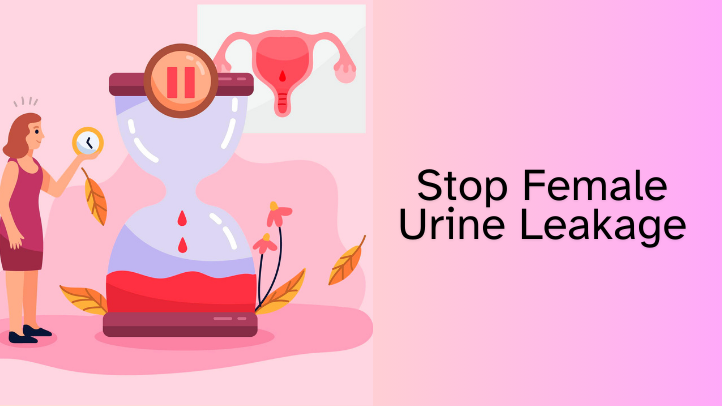
How to Stop Female Urine Leakage? – Urinary incontinence is an involuntary loss of urine and can vary from rare leakage to recurring wetting. In simple words, the inability to hold the urination.
The prevalence of urinary incontinence in women in India is generally between 21% and 45%. It is a common problem impacting an extensive range of women causing a sense of discomfort, humiliation, and loss of self-esteem. This medical health condition affects the quality of life and can interfere with enjoying or performing daily activities.
The urinary system consists of kidneys, ureters, bladder, and urethra. The kidneys act as filters, cleaning waste from your blood and turning it into urine. The urine travels down two tubes called ureters into the bladder, where it’s stowed until you’re ready to go to the bathroom. When the bladder gets full, it signals the brain to urinate, and then the urine is exerted out of the body through the urethra.
When everything works well, you can take away some time to use the bathroom without experiencing any leakage. But, if there is malfunctioning in the whole process of the urinary system, it leads to a health condition known as urinary incontinence, which can happen for many reasons.
Many women experience this involuntary or uncontrollable leakage due to physical exertion or activity that is prone to put more pressure on the bladder. There is a myth that older women are more prone to suffer from urinary incontinence; while it is a hoax concept. However, it is more common in older people it can happen to anyone or in any age group.
Incontinence refers to the involuntary loss of urine. There are several types of incontinence. These types have different causes, characteristics, and triggers for urine leakage. Knowing the type of incontinence is often an important part of the diagnosis and treatment plan for incontinence.
The types of incontinence include:
Transient Incontinence: This is temporary incontinence, or usually for the short-term. It is caused by certain medications, urinary tract infections, or constipation. Urinary incontinence generally improves after the underlying cause is treated.
Urinary Incontinence is not an irresistible effect of ageing, however, it is more common in older people. It is a treatable and manageable health condition that can be caused due to certain reasons. It includes:
The following are the common signs and symptoms associated with urinary incontinence or bladder control problems.
Note: The above-mentioned signs resemble urinary incontinence problems. If you notice or going through these symptoms get a sooner diagnosis or seek medical assistance.
As urinary incontinence encounters several individuals, women are often seeking alternatives or struck with the question, how to stop female urine leakage?
To help you out Dr Ahuja Clinic showcases the self-help tips and key lifestyle changes that will help in managing or relieving the symptoms.
thus, if you are interested to go for non-surgical procedures like Emsella Chair or Ultra Femme 360 advanced treatment in Chandigarh, then contact Dr. Ahuja Clinic for effective and reliable results.
Urinary Incontinence caused by several reasons, may lead to further consequences if not taken seriously on time. This is an uncontrolled bladder problem that can be treated or managed completely under medical guidance.
Dr Ruchi Rai Ahuja is an experienced gynae doctor who offers various treatments and a complete guide on the preventive measures to get rid of urinary leakage.




Copyright © 2026 Dr Ahuja Clinic. All Rights Reserved | Marketing by : WebHopers
Website Design by CSW Technologies

 +91 6284862829
  Skin Geniee