Appointment form
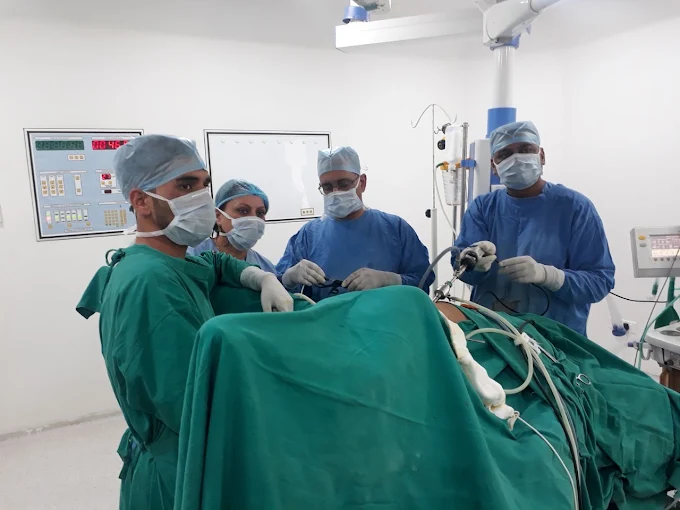
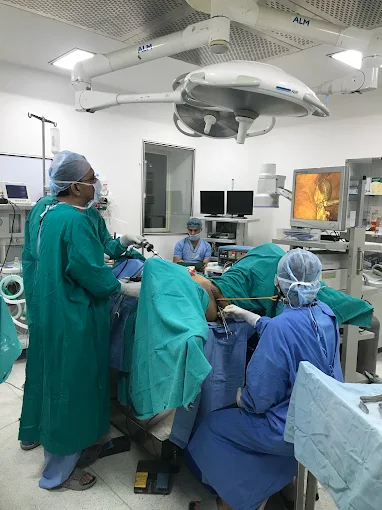
How do you prepare a patient for laparoscopic surgery? – Laparoscopy is a minimally invasive procedure performed by a surgeon to look for problems in the abdomen or pelvis. They use an instrument known as a laparoscope, which is a thin, narrow telescopic tube with a video camera on its rear end. Unlike traditional open surgeries that require large incisions, laparoscopic surgery involves small keyhole incisions that reduce trauma to the body. A small laparoscopic camera provides a real-time view of the operation site, special instruments allow the surgeon to perform complex procedures accurately.
Types of Laparoscopic Surgery
Why is Laparoscopic Surgery performed?
It is a small incision that minimizes trauma to the surrounding tissues, resulting in less post-operative pain, minimal scarring, and faster recovery compared to open surgery.
What are the Preparations of Laparoscopic Surgery
Before laparoscopic surgery, proper preparation is crucial to ensure the best possible result and minimize potential risks. This preparation includes several important steps, such as:
Before laparoscopic surgery, the patient’s general health and fitness for treatment are assessed with a full medical evaluation. This evaluation usually includes the following:
2. Pre-operative Instructions
To optimize the success of laparoscopic surgery and minimize potential risks, patients are given special preoperative instructions, which may include the following:
3. Anesthesia Considerations
Administration of anesthesia plays a crucial role in laparoscopic surgery. The type of anesthesia used depends on the procedure, patient factors, and surgeon preference
4. Laparoscopic Surgery Procedure
The surgeon begins the operation by making one or more incisions in your skin. The abdominal cavity is then filled with slightly pressurized CO2
5. Advantages of Laparoscopic Surgery
Laparoscopic Surgery has several benefits including:
6. Post-operative care instructions
Pain is essential for recovery after laparoscopic surgery. Patients may experience discomfort, including cutting pain and general tenderness.
7. Cost of Laparoscopic Surgery
Patients should consider the various costs associated with laparoscopic surgery. Medical expenses include surgery fees, hospital fees, and diagnostic tests. Insurance coverage plays a role in determining out-of-pocket costs, accounting for pre-operative consultations and regular doctor visits.
Conclusion
In summary, preparing a patient for laparoscopic surgery involves a multifaceted approach that includes understanding the procedure, thorough preoperative preparation, and careful adherence to postoperative care guidelines. Laparoscopic surgery is usually good and associated with a 91% success rate. This minimally invasive technique helps the surgeon to see your internal organs easily and diagnose several health problems. The recovery time is also shorter in this compared to open surgery.










Copyright © 2026 Dr Ahuja Clinic. All Rights Reserved | Marketing by : WebHopers
Website Design by CSW Technologies

 +91 6284862829
  Skin Geniee