 Appointment form
Gallbladder stones are one of the most common digestive disorders that can cause symptoms such as pain in the upper right abdomen, nausea, bloating, and discomfort after eating fatty meals. While some gallstones may not cause any symptoms, others can lead to complications like gallbladder inflammation, bile duct blockage, or pancreatitis if left untreated.
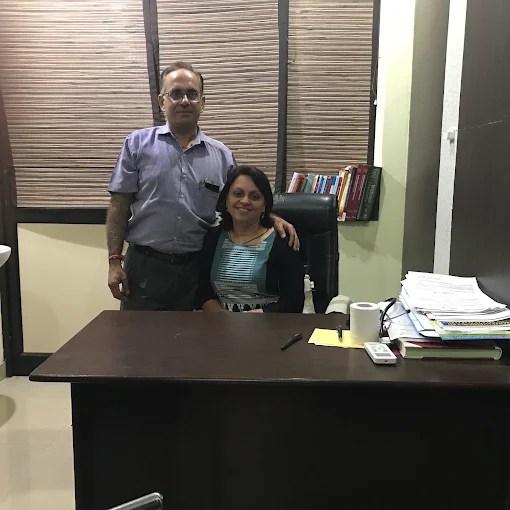
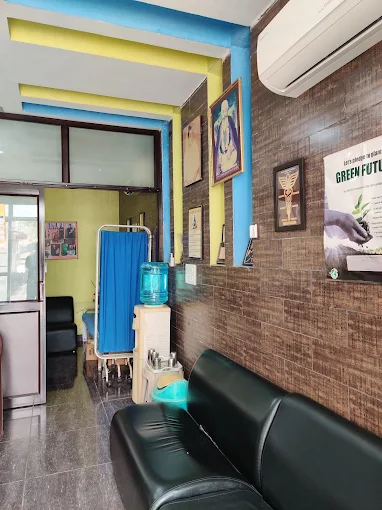
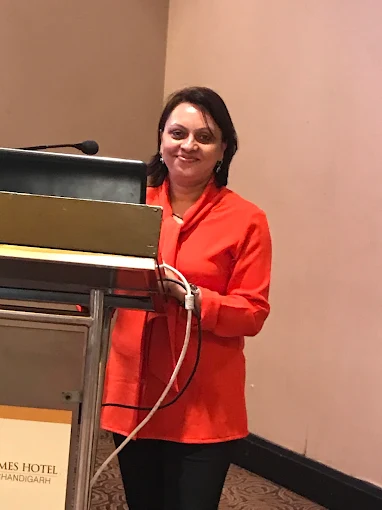
Dr Alok Ahuja is a well-renowned general surgeon & cancer specialist in Chandigarh who has more than two decades of experience. Throughout his career, he worked with reputable hospitals such as Fortis Hospital. This clinic has access to the most advanced and modern equipment to ensure proper diagnosis and better treatment outcomes.
Your search for finding the best Gallbladder Specialist in Chandigarh is ending here. Book your appointment either by calling us at +91-6284862829 or emailing us at alokahujaruchirai@gmail.com.
Before understanding Gall Bladder removal, Dr. Alok Ahuja, Chandigarh’s reputed Gall Stone Removal surgeon, here highlights what a gall bladder is, the stones formed in it, and the importance of the reason behind the presence of the stones.
The gall bladder is a pear-shaped organ situated on the upper right side of the abdomen. Its function is to act as a reservoir to store the digestive juice (bile) formed in the liver. A solid lump containing a mixture of bilirubin, calcium, and bile cholesterol located in the gall bladder is considered a bile stone.
Their dimensions can vary, from being as tiny as a sand particle to as big as a golf ball. Gallstones develop due to an uneven disturbance and distribution of components in bile, such as cholesterol and bilirubin.
Gallbladder stones are formed because of several reasons-
Gallstones might not always cause symptoms, and many people don’t even realise it until they discover them during a medical examination. Here are some symptoms that one might experience if having gallstones:-
The stones in the gallbladder are a formation of the chemical composition of bile. The gallstone is generally of two types, cholesterol stones and pigment stones, and rarely does a patient witness a mixed stone.
Treatment of gallbladder stones is necessary because these stones can cause a range of health problems if left untreated. Gallstones can block the flow of bile, which is essential for digesting fats. This blockage can lead to severe pain, inflammation, and infections in the gallbladder or surrounding areas. In some cases, the stones can cause serious conditions like acute cholecystitis (inflammation of the gallbladder) or pancreatitis (inflammation of the pancreas).
If the stones cause frequent or several symptoms, or if they lead to complications, treatment is needed to relieve pain, prevent infections, and avoid long-term health issues. Options for treatment can include medications to dissolve the stones, procedures to remove them, or surgery to remove the gallbladder if necessary.
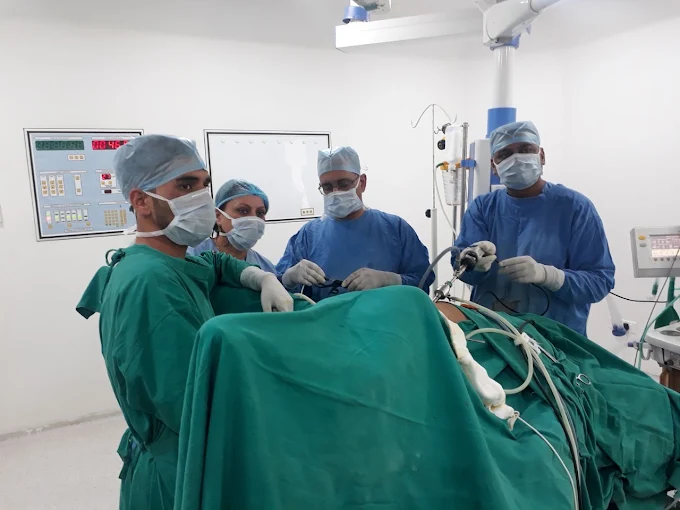
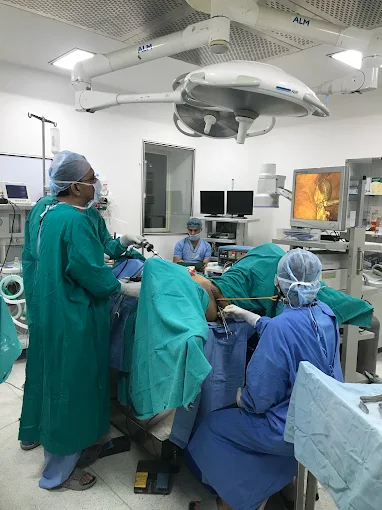
Laparoscopic Cholecystectomy is a widely used minimally invasive method used to remove the gallbladder. It is the most common method for treating the gallbladder. During this procedure, the surgeon creates small incisions in the abdomen and utilizes a camera to assist in the gallbladder’s removal. This approach presents numerous benefits over traditional open surgery, such as a shorter recovery period and reduced risk of complications.
Patients who undergo laparoscopic cholecystectomy generally report less pain and can resume their normal activities more quickly than those who opt for open surgery. Consequently, this technique has gained popularity as a safe and effective solution for gall bladder issues.
Open cholecystectomy is a surgical method that, although less popular than laparoscopic surgery, is still very important for treating complex gallbladder problems. In this traditional technique, the surgeon makes a large cut in the abdomen to remove the gallbladder directly. It is particularly necessary in situations where laparoscopic surgery cannot be performed, such as when there is a lot of scarring, severe swelling, or complications like infections.
These serious conditions often require a more extensive approach to open surgery to ensure the patient receives the best care. Even with the rise of laparoscopic techniques, open cholecystectomy remains an essential option for patients with complicated gallbladder issues.
Endoscopic retrograde cholangiopancreatography (ERCP) is a non-surgical procedure used to remove gallstones from the bile ducts. During this procedure, doctors use an endoscope, which is a thin, flexible tube with a camera, along with X-ray guidance to see inside the bile ducts. This method allows the healthcare provider to locate and treat problems like gallstones without needing to up the abdomen, which means patients can often avoid surgery. ERCP has proven to be effective in removing bile duct stones, making it a valuable option for those suffering from related issues.
Additionally, Dr Ahuja is skilled in performing other treatments, such as endoscopic techniques and surgery for gallbladder cancer. With over 22 years of experience, Dr Ahuja provides compassionate care and expert guidance, ensuring patients receive the best possible treatment for their gallbladder concerns.
There are three main kinds of gallstones: the first is stone a – 80% cholesterol stone and the second is a small & dark-coloured mixed gallbladder stone made from bile, and the third is a pigment stone. Moreover, the major reasons for the formation of gallstones are liver diseases, a diet based on high cholesterol, genetics, and gallbladder problems. Since its function is that of storage and removal and does not bring any major changes in the body.
Cholesterol Stone – Cholesterol gallbladder stones are common, causing 80% of cases in India. They form when there is too much cholesterol in the bile, which is not broken down. They are yellow-green and can range in size. High-fat diets, rapid weight loss, and certain medical conditions can contribute to their formation. Symptoms include abdominal pain, bloating, and indigestion.
Mixed Stone – Mixed gallbladder stones are made up of cholesterol and pigment. Hey are common in people with gallbladder issues and can vary in size and appearance. They form due to an imbalance in bile components and can cause pain, nausea, and digestive problems.
Pigment Stone – Pigment gallbladder stones are smaller and darker than cholesterol stones and are made up of bilirubin. They are commonly found in individuals with chronic liver diseases, infections, or conditions that can cause excessive breakdown of red blood cells. They may cause similar symptoms to other gallstones and may require treatment to prevent complications.
The surgical procedure for the removal of the gall bladder is called “cholecystectomy”. Gallstones are very common in Punjab and nearby areas. The symptoms are pain in the upper outer quadrant of the body, acidity, and fullness. The problem can be diagnosed by a clinical examination and confirmed by an ultrasound of the abdomen done on an empty stomach. The surgery can be traditionally done by an “open” technique. Still, these days it is almost always done laparoscopically unless the health of the patient does not allow a laparoscopic procedure.
Now, coming to the cost of gallbladder stone removal in Chandigarh, it is approximately Rs. 50,000. This cost depends upon factors like –
Dr Alok Ahuja is an MBBS, MS (Surgery), and specialises in Laparoscopic surgery and cancer. Most importantly, Dr Alok has over 20+ years of experience and is a Senior Consultant Surgeon at Dr Ahuja Clinic. Dr Alok Ahuja has worked as a Senior Resident in Oswal Cancer Hospital (Surgical Oncology) and GMCH Sector 32, Chandigarh(General and Laparoscopic Surgery). After that, he worked at Fortis Hospital as a Junior Consultant (General and Laparoscopic Surgery). Due to his expertise and experience, Dr Alok Ahuja has been the first choice of patients for gallbladder removal surgery in the Tricity. Apart from the gallbladder, there are other services offered –
Finally, to book an appointment with Dr Alok Ahuja, reach out to us with the following details!
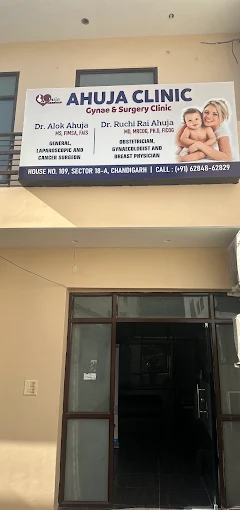
Name – Dr Ahuja Clinic
Address – #109 Sector 18 A, Chandigarh PIN 160018 (near Rotary Club)
Phone Number – +91-6284862829
Email Id. – alokahujaruchirai@gmail.com
Answer – The main reasons for gallstones are fatty, fried, and oily. diet, infection of the gall bladder, diabetes.
Answer – No, gallstones do not go away with medicines. The only treatment available to date for gallstones is laparoscopic gallbladder removal surgery. If you are looking for a Gall Bladder Surgeon in Chandigarh, then you must visit Dr Alok Ahuja at Ahuja Clinic.
Answer – Yes, gallstones are serious. They can commonly cause pus formation, infection & fever. If some stone travels down its duct, it can cause jaundice, infection, and pus in the gall bladder & pancreas. Rarely, cancer can occur in long-standing gallstones.
Answer – Fatty (non-vegetarian, high-fat dairy & oily, fried) diets and carbonated drinks are the main culprits for gallstones.
Answer – Nowadays, gallstones are removed laparoscopically (laparoscopic cholecystectomy). Rarely is open surgery required. While choosing a doctor, you must look for The Best Laparoscopic Surgeon In Chandigarh.
Answer – Pain in the right upper part of the abdomen, indigestion and heaviness after meals, nausea & vomiting are the common symptoms of gallstones. Complicated gallstones present with fever, chills, and jaundice.

Copyright © 2026 Dr Ahuja Clinic. All Rights Reserved | Marketing by : WebHopers
Website Design by CSW Technologies

 +91 6284862829
  Skin Geniee